
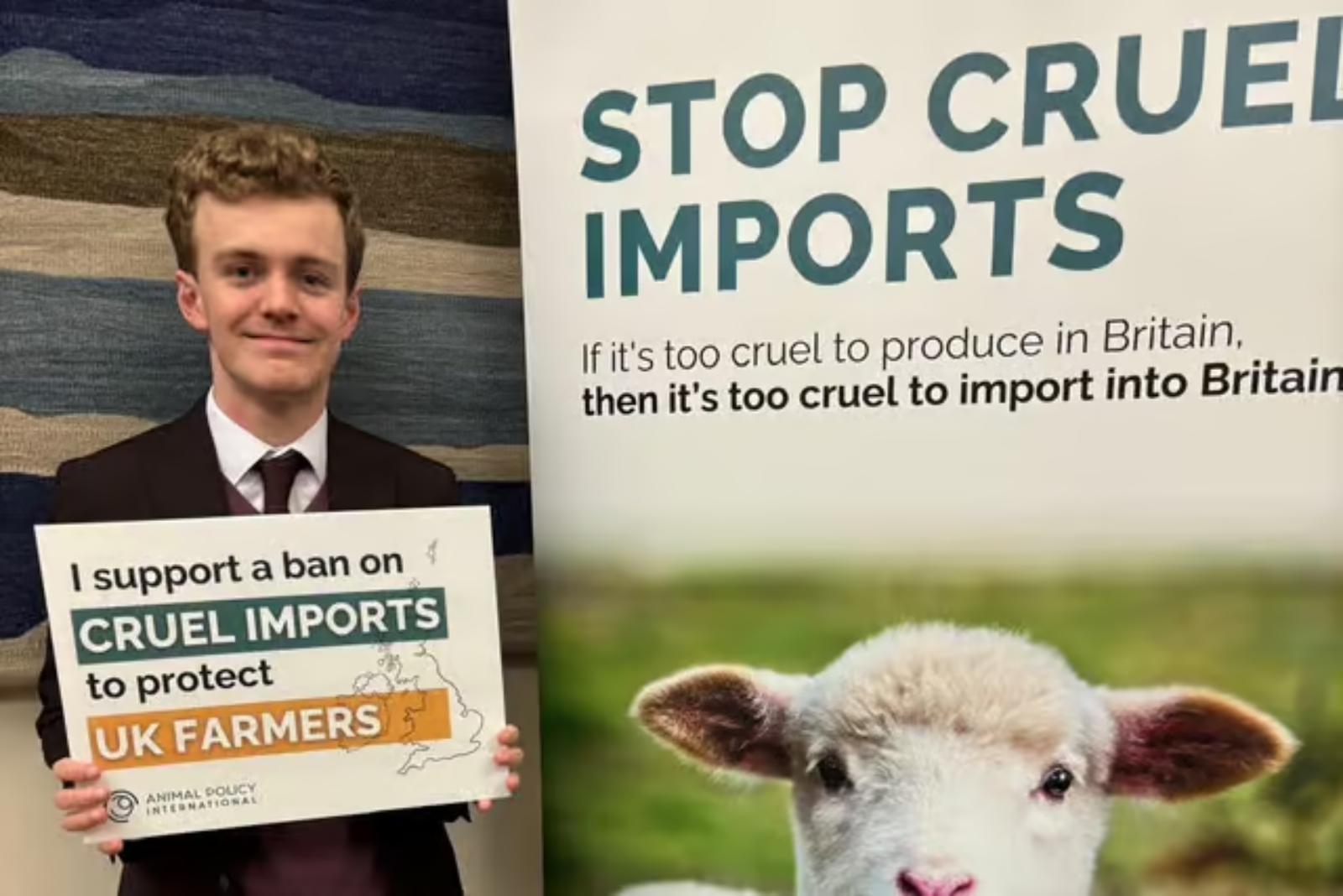
One of the things I admire most about the farming community in our area is the pride they take in doing things the right way. British farmers, including many here in North West Cambridgeshire, follow some of the highest animal welfare standards in the world – and they’ve done so for years, often at significant cost.
Take sow stalls as an example – these are narrow cages used to confine pregnant pigs, which prevent them even from turning around. They were rightly banned here in 1999 because they’re cruel and unnecessary. Yet when you go into a supermarket today, it’s still entirely possible to pick up bacon from overseas farms where sow stalls are still in routine use.
That’s not right. It undercuts our farmers, who are playing by the rules, and it undermines our animal welfare laws by effectively offshoring the cruelty. If a method is considered too inhumane to use here at home, it shouldn’t be allowed in through the back door.
Labour has been clear: trade should not come at the cost of our values. That’s why in recent negotiations – including talks with the US – we held the line on key protections, such as banning hormone-treated beef, while still securing economic gains. It proves that expanding trade and standing by our principles can go hand in hand.
But there’s still more to do. Around half of all pork imported into the UK comes from countries where sow stalls are still used. And imports of lamb from Australia, where a practice called mulesing (cutting skin from live sheep without pain relief) remains common, have surged under a trade deal agreed by the previousConservative Government. British farmers are being asked to compete with producers who don’t face the same ethical standards.
This loophole needs closing. Just as we already require meat imports to meet UK slaughterhouse standards, we should extend that principle to how animals are raised. That would mean banning imports of eggs from battery cages, pork from sow stalls, and lamb from farms using outdated and painful practices. The European Union is already moving in this direction, and aligning our approach would strengthen trade ties with our largest partner while helping our farmers stay competitive.
This isn’t just about protecting the farming sector – it’s about reflecting what the public want. Polling shows that over 80% of people support the idea that animal products sold in the UK should meet UK welfare standards, including a majority in rural areas.
And it isn’t about protectionism – it’s about fairness and values. We have already committed £5 billion in support to farmers. Now we must back that with policies that ensure they aren’t undermined by lower-welfare imports.
So, building on our recent trade victories, it’s time to show that Labour’s approach to trade is both principled and practical. We can grow our economy while standing firm on the standards that matter to British people.