
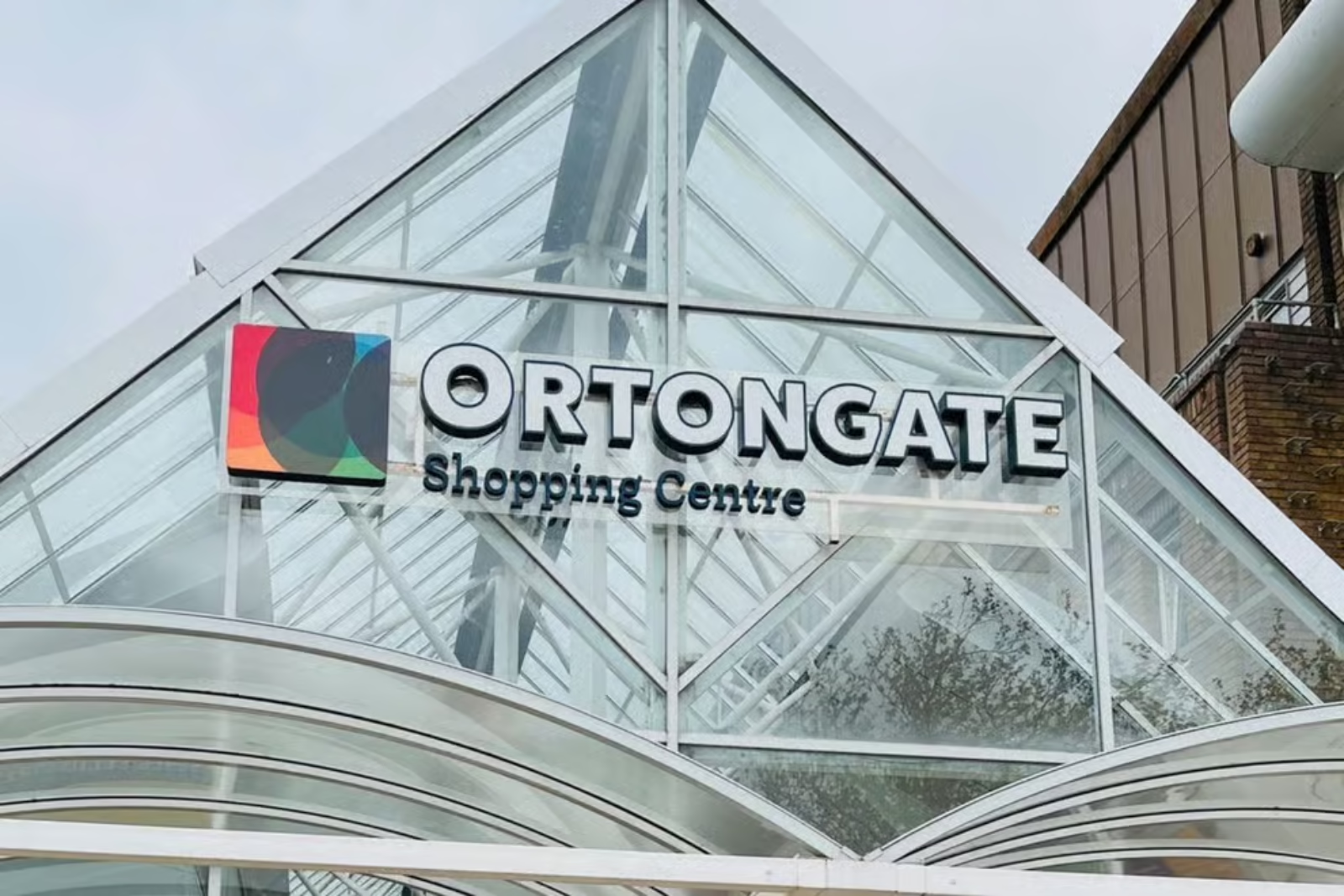
Like many residents, I was disappointed to hear this week that Poundland will be closing its store at Ortongate Shopping Centre. It’s a popular and well-used shop, and I know the decision will come as a real blow to both the staff affected and to people in the area who rely on having affordable, accessible retail nearby.
Closures like this aren’t just about economics – they’re about what kind of places we live in. High streets and local centres are more than retail hubs. They’re where people run into each other, stop for a chat, and feel connected to their neighbourhood. And when one business shuts its doors, it often has a knock-on effect on others nearby.
Too many of these decisions are made far away, with little input from the people who know their communities best. But it doesn’t have to be that way. There are real, workable solutions that can put power back in local hands and breathe new life into town and neighbourhood centres.
Labour’s plan to support high streets is focused on exactly that. One part of the plan – High Street Rental Auctions – gives councils the power to bring long-vacant shops back into use by auctioning off short-term leases. It’s a way to stop empty properties sitting idle and instead open up opportunities for local businesses, charities or community groups to use the space.
These powers are already being piloted elsewhere in the country, and there’s no reason places like ours shouldn’t benefit too. The potential is there to create a much fairer and more flexible system – one that backs small business, puts local voices first, and helps restore pride in the places we live.
Of course, no single policy will reverse the pressures high streets have faced in recent years. But if local areas are given the right tools – and backed with meaningful support – we can start to turn things around. That means removing barriers to opening new businesses, strengthening the role of communities in shaping local plans, and ensuring existing businesses are supported to adapt and thrive.
That goes hand-in-hand with the Labour Government’s plans to cut the red tape that holds small businesses back, boost investment, and support jobs on the high street – whether that’s through licensing reform, better access to finance, or creating dedicated hospitality zones. All of it is aimed at helping local economies grow in a way that works for everyone.
Regeneration won’t happen by accident; it has to be actively supported and shaped by people who care about these places. That means getting behind communities with the tools and resources needed to bring about change.
The closure in Orton is another reminder of the pressure local centres are under – but it’s not inevitable. With the right approach, high streets can thrive again.