
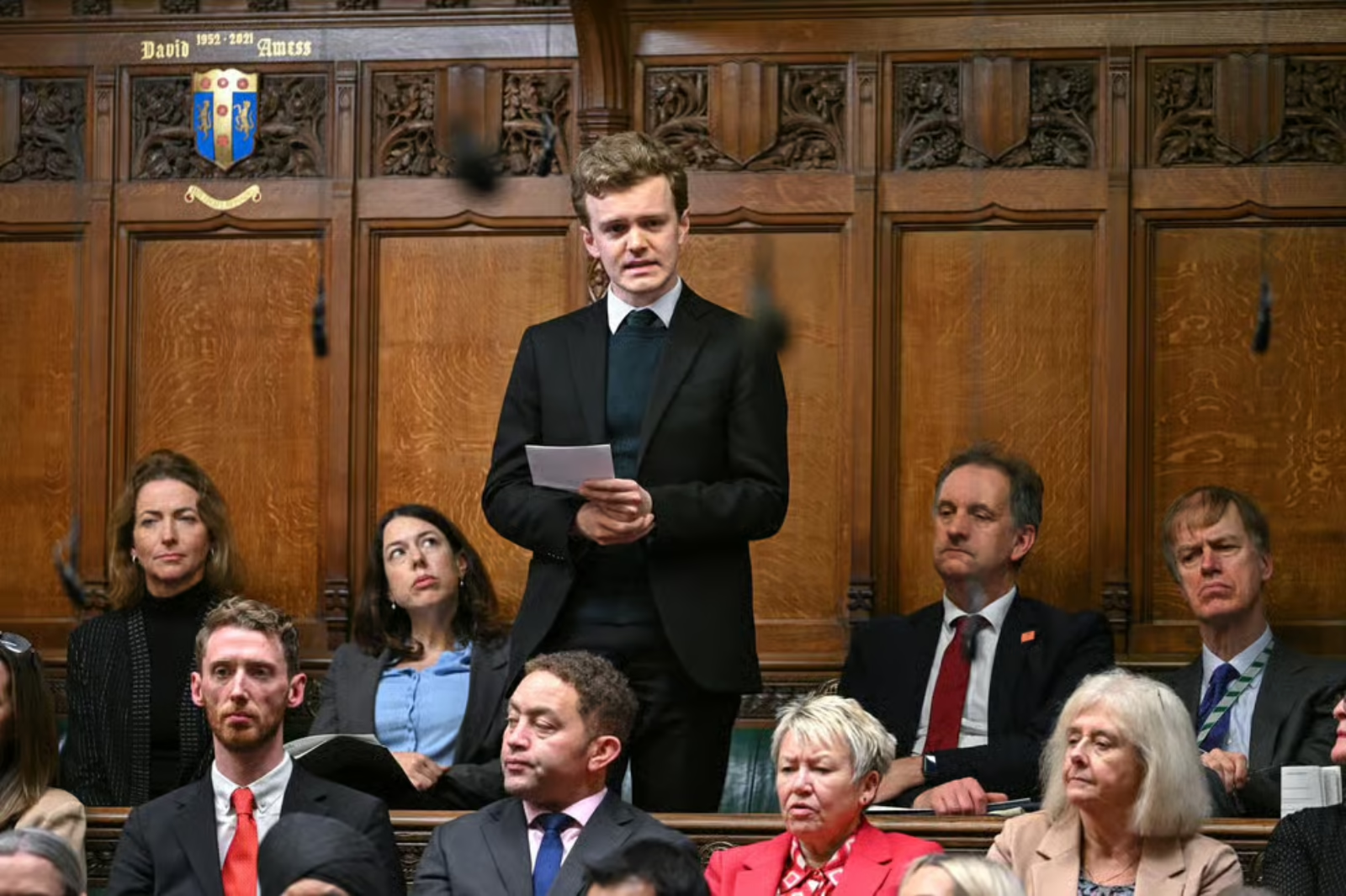
Over the past couple of weeks, there have been a number of news stories about the assisted dying legislation which passed through the House of Commons earlier this year. Many hundreds of constituents – both for and against it – have written to me over my time in Parliament about this, and I’m grateful to everyone that’s taken the time to do so.
This legislation – known officially as the Terminally Ill Adults (End of Life) Bill – passed the House of Commons last year with a majority of MPs in favour. I was one of those that voted for it, and I remain in support of it now. I believe that our existing laws leave terminally ill people, plus their families and friends, in an unacceptable situation. Palliative care does lots – and I want to see it improved – but it cannot alleviate suffering for everyone.
Despite being agreed by our country’s elected politicians, the Bill is now facing an uncertain future in the House of Lords. Peers are currently scrutinising the details, which is a normal and necessary part of the legislative process, but what we’re seeing goes beyond regular scrutiny – a record-breaking mountain of over 1,000 amendments has been tabled, many by a handful of peers, and progress is extraordinarily slow. This is not an accident.
It has very real consequences: unless the Bill completes all its stages before this parliamentary session ends in May, it will lapse and must be started again from scratch. It now has very difficult odds of becoming law this year unless there’s a fundamental change in approach.
This isn’t abstract, procedural politics. We’re talking about people in the final months of life for whom time is finite. I’ve spoken to families who support the Bill not because they want to hasten death, but because they want compassion and choice when faced with unbearable suffering.
Denying them that choice because of procedural delays feels, to many, like a cruel form of limbo.
Of course, the Bill should be debated and scrutinised. But procedural tricks designed to run the clock down rather than refine the legislation are turning scrutiny into obstruction. That’s not just frustrating, it’s wrong.
There are lots of views about the House of Lords – I happen to believe it is very useful for revising and improving legislation – but an unelected body cannot be allowed to trump the expressed views of elected politicians.
I know people disagree about assisted dying on ethical grounds. It’s a deeply personal issue that raises legitimate concerns about safeguards, vulnerability and the role of medicine. All of that deserves respectful debate. But we also owe it to those directly affected to move beyond endless delay and get a final answer – one way or the other.
For me, this is about allowing choice at the end of life for those who, with full capacity and dignity, seek it. Let’s have proper scrutiny, yes – but not at the cost of prolonging suffering or denying people the option elected representatives supported not long ago.